





The world of health and medicine moves fast. Every week, scientists, doctors, and researchers uncover new insights that can change how we prevent disease, treat illness, and live healthier lives. But health news can often feel overwhelming, packed with technical terms and complex data.
That’s why we’re breaking it all down.
In this week’s health update, we explain the latest medical breakthroughs in simple, easy-to-understand language—what they mean, why they matter, and how they could affect your life. From advances in cancer treatment to new tools for mental health and disease prevention, here’s what you need to know.
1. A New Cancer Treatment Shows Promising Results
One of the biggest health breakthroughs this week comes from cancer research. Scientists have reported encouraging results from a new targeted cancer therapy that attacks cancer cells while leaving healthy cells mostly unharmed.
What’s New?
Traditional treatments like chemotherapy kill fast-growing cells, which includes cancer cells—but also healthy cells like hair follicles and cells in the digestive system. This is why chemotherapy often causes side effects such as hair loss and nausea.
The new treatment works differently. It uses precision medicine, meaning it targets specific genetic markers found only in cancer cells. Early clinical trials show:
- Fewer side effects
- Improved survival rates
- Better quality of life for patients
Why It Matters
Cancer remains one of the leading causes of death worldwide. Treatments that are more effective and less harmful could dramatically improve patient outcomes.
While this therapy is still undergoing trials, experts believe it could become widely available within a few years, especially for certain types of breast, lung, and colorectal cancers.
2. Breakthrough in Alzheimer’s Detection
Early detection of Alzheimer’s disease has long been a challenge. Symptoms often appear years after the disease has already caused damage in the brain. This week, researchers announced progress on a new blood test that may help detect Alzheimer’s much earlier.
How the Test Works
The test looks for specific proteins in the blood linked to plaque buildup in the brain—one of the main signs of Alzheimer’s disease. Previously, doctors needed expensive brain scans or spinal fluid tests to identify these markers.
Why Early Detection Is So Important
- Allows patients to start treatment sooner
- Helps families plan for the future
- Improves the chances of slowing disease progression
Experts say this blood test could become a routine screening tool within the next decade, especially for people over 50 or those with a family history of Alzheimer’s.
3. A Major Step Forward in Mental Health Care
Mental health has taken center stage in recent years, and this week brought encouraging news. Researchers revealed new findings showing that digital mental health tools, such as therapy apps and AI-assisted counseling platforms, can be highly effective when combined with traditional care.
What the Research Found
Studies showed that people using guided mental health apps experienced:
- Reduced anxiety and depression symptoms
- Better sleep quality
- Increased consistency in therapy
These tools use techniques like cognitive behavioral therapy (CBT), mindfulness exercises, and mood tracking.
Why This Is a Big Deal
Access to mental health care remains limited in many areas due to cost, stigma, or a lack of professionals. Digital tools can:
- Reach people in remote locations
- Offer affordable support
- Provide help between therapy sessions
While apps can’t replace licensed therapists, experts agree they can be a powerful support system.
4. New Vaccine Technology Could Stop Future Pandemics
Another major health breakthrough this week involves next-generation vaccine technology. Scientists are developing “plug-and-play” vaccine platforms that can be quickly adapted to fight new viruses.
What Does That Mean?
Instead of starting from scratch each time a new virus appears, researchers can:
- Identify the virus’s genetic code
- Insert it into an existing vaccine framework
- Begin large-scale production within weeks
This approach builds on the success of mRNA vaccines used during the COVID-19 pandemic.
Why It Matters for Global Health
- Faster response to outbreaks
- Reduced spread of infectious diseases
- Fewer global lockdowns and disruptions
Health experts believe this technology could help prevent future pandemics—or stop them before they spiral out of control.
5. Gut Health Research Reveals New Insights
Your gut does more than digest food—it plays a major role in immunity, mood, and overall health. This week, scientists published new findings linking gut bacteria diversity to a lower risk of chronic diseases.
Key Discoveries
Researchers found that people with a wider variety of gut bacteria were less likely to develop:
- Type 2 diabetes
- Heart disease
- Inflammatory conditions
They also had stronger immune responses and better metabolic health.
How You Can Improve Gut Health
Experts recommend:
- Eating more fiber-rich foods (fruits, vegetables, whole grains)
- Including fermented foods like yogurt, kimchi, and kefir
- Limiting ultra-processed foods and excess sugar
Small dietary changes can make a big difference over time.
6. Wearable Health Tech Gets Smarter
Wearable devices like smartwatches and fitness trackers are becoming more advanced. This week, new health monitoring features were announced that can detect early signs of illness.
New Features Include:
- Continuous heart rhythm monitoring
- Blood oxygen and stress tracking
- Early detection of irregular heartbeats
Some devices can now alert users to seek medical attention before symptoms become serious.
Why This Is Important
Early detection saves lives. Wearable technology empowers people to take control of their health and work proactively with doctors instead of reacting after problems arise.
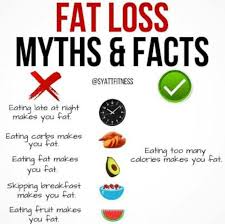
7. Nutrition Science Challenges Old Diet Myths
Nutrition research also made headlines this week. Scientists are challenging long-held beliefs about fats, carbohydrates, and weight loss.
What’s Changed?
New studies suggest:
- Not all fats are bad—healthy fats support brain and heart health
- Extreme low-carb diets aren’t ideal for everyone
- Sustainable eating habits matter more than short-term dieting
The Takeaway
There’s no one-size-fits-all diet. Personalized nutrition—based on genetics, lifestyle, and health conditions—is becoming the future of healthy eating.
What These Health Breakthroughs Mean for You
While some of these advancements are still in development, they point to a powerful trend: healthcare is becoming more personalized, preventive, and accessible.
Here’s how you can benefit right now:
- Stay informed about new screenings and tests
- Use technology to monitor your health
- Focus on mental wellness and gut health
- Maintain a balanced, sustainable lifestyle
Medical progress doesn’t just happen in labs—it eventually reaches everyday life.
Final Thoughts
This week’s health breakthroughs remind us how rapidly science is improving our understanding of the human body. From smarter vaccines and early disease detection to mental health innovation and personalized nutrition, the future of healthcare looks more hopeful than ever.
Staying informed empowers you to make better choices for yourself and your loved ones. As research continues, we’ll keep translating complex medical news into clear, practical insights—so you can focus on what matters most: living a healthier, happier life.
If you’d like, I can:
- Optimize this article further with target keywords
- Rewrite it for blog, news, or magazine style
- Add FAQs, meta description, or internal linking
- Adapt it for Google Discover or Medium
Just tell me 👍