






Staying informed about the latest health news is more important than ever. Every week, doctors and medical experts share new insights that can help people live healthier, longer, and safer lives. From emerging wellness trends to updated medical guidance, these developments can directly impact how we approach daily health decisions.
In this week’s breaking health news, doctors are emphasizing prevention, balance, and evidence-based care. While social media is flooded with health hacks and viral wellness trends, medical professionals urge the public to focus on scientifically backed advice that truly supports physical and mental well-being.
Below, we break down what doctors want you to know this week—and how you can apply these insights to your everyday life.
1. Preventive Care Is More Powerful Than Treatment
One of the strongest messages from doctors this week is the importance of preventive healthcare. Many chronic illnesses—including heart disease, diabetes, and certain cancers—can be managed or even avoided with early detection and lifestyle changes.
Key preventive steps doctors recommend:
- Scheduling regular health checkups
- Monitoring blood pressure, blood sugar, and cholesterol levels
- Staying up to date with vaccinations
- Addressing symptoms early instead of ignoring them
Doctors stress that prevention doesn’t just improve quality of life—it also reduces long-term healthcare costs and complications.
2. Mental Health Deserves the Same Attention as Physical Health
Mental health continues to be a top concern among healthcare professionals. Doctors are reminding patients that stress, anxiety, and depression are not signs of weakness—they are medical conditions that deserve proper care.
Warning signs doctors urge you not to ignore:
- Persistent fatigue or sleep disturbances
- Loss of interest in daily activities
- Difficulty concentrating
- Emotional numbness or constant worry
Physicians encourage open conversations about mental health and recommend seeking professional help early. Simple steps like regular exercise, social connection, and mindfulness practices can also support emotional well-being.
3. Nutrition Trends: What’s Helpful—and What’s Overhyped
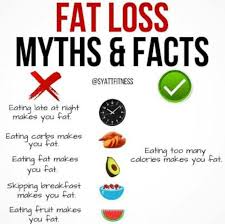
Every week seems to bring a new diet trend, but doctors urge caution. While balanced nutrition plays a critical role in health, extreme diets often do more harm than good.
What doctors actually recommend:
- Eating whole, minimally processed foods
- Prioritizing fruits, vegetables, lean proteins, and healthy fats
- Staying hydrated throughout the day
- Avoiding restrictive diets unless medically necessary
Medical experts emphasize that there is no “one-size-fits-all” diet. Personalized nutrition, guided by healthcare professionals, is far more effective than following online fads.
4. Sleep Is Not Optional—It’s Essential
Doctors continue to highlight sleep as one of the most underestimated pillars of health. Poor sleep affects immunity, metabolism, mental clarity, and emotional stability.
Common sleep mistakes doctors see:
- Using phones or screens right before bed
- Inconsistent sleep schedules
- Relying on caffeine late in the day
- Ignoring signs of sleep disorders
Most adults need 7–9 hours of quality sleep per night. Doctors recommend creating a calming bedtime routine and treating sleep problems as legitimate health concerns, not inconveniences.
5. Physical Activity: Small Moves Make a Big Difference
You don’t need intense workouts to improve your health—this is another key message doctors are sharing this week. Regular movement, even in small amounts, can dramatically improve heart health, mood, and mobility.
Doctor-approved ways to stay active:
- Walking for 20–30 minutes daily
- Stretching during work breaks
- Choosing stairs over elevators
- Incorporating light strength training
Consistency matters more than intensity. Doctors encourage people to find activities they enjoy so movement becomes sustainable, not stressful.
6. Immunity and Seasonal Health Awareness
As seasons change, doctors remind people to be proactive about immune health. This includes managing allergies, avoiding preventable infections, and supporting the body through healthy habits.
Ways doctors suggest supporting immunity:
- Getting adequate sleep
- Managing stress levels
- Eating nutrient-dense foods
- Practicing good hygiene
Doctors caution against relying on unverified supplements and instead recommend focusing on proven lifestyle habits.
7. The Rise of Digital Health—Use It Wisely
Telemedicine and health apps continue to grow, offering convenience and accessibility. Doctors acknowledge the benefits but also urge patients to use digital health tools responsibly.
Tips from doctors on digital healthcare:
- Use reputable platforms and verified providers
- Avoid self-diagnosing based on apps alone
- Follow up virtual visits with in-person care when needed
Technology can enhance healthcare, but it should never replace professional medical judgment.
8. Misinformation Is a Growing Health Risk
Doctors are increasingly concerned about health misinformation spreading online. Viral posts and unverified advice can delay proper treatment or lead to dangerous choices.
What doctors advise:
- Verify health information from trusted medical sources
- Be cautious of “miracle cures”
- Consult healthcare professionals before making major health decisions
Reliable information saves lives—and doctors urge patients to ask questions rather than rely on trends.
9. Personalized Healthcare Is the Future
Doctors emphasize that modern medicine is moving toward individualized care. Factors like genetics, lifestyle, age, and medical history all play a role in determining the best treatment plan.
This means patients should feel empowered to:
- Ask about personalized treatment options
- Share complete health histories
- Participate actively in healthcare decisions
Collaboration between doctors and patients leads to better outcomes.
10. Listen to Your Body—It’s Talking to You
Perhaps the most important message doctors want to share this week is simple: don’t ignore your body’s signals. Pain, fatigue, changes in appetite, or mood shifts are often early warning signs.
Doctors encourage people to trust their instincts and seek medical advice when something feels off. Early intervention can prevent minor issues from becoming serious conditions.
Final Thoughts
This week’s breaking health news carries a clear and consistent message from doctors: focus on prevention, prioritize mental and physical balance, and rely on evidence-based guidance. Health isn’t about perfection—it’s about making informed, sustainable choices that support long-term well-being.
By staying informed, asking questions, and partnering with healthcare professionals, you can take meaningful steps toward a healthier future.
Disclaimer: This article is for informational purposes only and does not replace professional medical advice. Always consult a qualified healthcare provider for personalized medical guidance.
If you want, I can:
- Optimize this further for specific keywords
- Rewrite it for Google News or blog publishing
- Adapt it for AI-content detection safety
- Add FAQs, meta description, and internal linking strategy
Just say the word 😊