





In today’s fast-paced world, staying healthy can feel overwhelming. New diets trend every week, wellness influencers promote conflicting advice, and misinformation spreads faster than facts. That’s why daily health news grounded in science is more important than ever. Reliable, research-based health updates empower people to make smarter decisions, improve quality of life, and prevent chronic diseases before they start.
This article brings you science-backed daily health tips, inspired by the latest medical research, public health guidelines, and expert consensus. From nutrition and exercise to mental health and sleep, these insights are practical, proven, and sustainable—designed to help you live better every day.
Why Daily Health News Matters
Health isn’t static—it changes with new discoveries, emerging diseases, and evolving lifestyles. Following credible daily health news helps you:
- Stay informed about new medical research
- Prevent lifestyle-related diseases
- Improve physical and mental well-being
- Make informed choices about diet, fitness, and habits
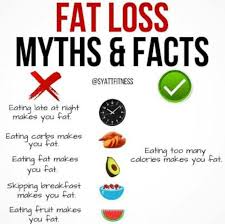
- Separate facts from health myths
According to the World Health Organization (WHO), over 70% of chronic diseases are linked to lifestyle choices, many of which are preventable with the right information and habits.
1. Nutrition Tips Backed by Science
Eat Whole Foods, Not Just Fewer Calories
Modern nutrition science emphasizes food quality over calorie counting. Studies published in The New England Journal of Medicine show that diets rich in whole foods—vegetables, fruits, whole grains, lean proteins, and healthy fats—are linked to lower risks of heart disease, diabetes, and obesity.
Science-backed nutrition tips:
- Choose whole grains instead of refined grains
- Eat a variety of colorful vegetables daily
- Include healthy fats like olive oil, nuts, and seeds
- Limit ultra-processed foods and added sugars
Protein Is Essential—But Balance Matters
Protein supports muscle repair, immune function, and hormone production. Research suggests that adults benefit from spreading protein intake evenly throughout the day rather than consuming it all at once.
Good protein sources include:
- Fish and seafood
- Eggs
- Legumes and lentils
- Lean poultry
- Greek yogurt
2. Daily Exercise: Small Moves, Big Benefits
You Don’t Need the Gym to Stay Fit
One of the most encouraging findings in recent health news is that even moderate physical activity significantly improves health. According to the CDC, just 30 minutes of brisk walking five days a week reduces the risk of heart disease, stroke, and depression.
Evidence-based exercise tips:
- Take short walking breaks during work hours
- Use stairs instead of elevators
- Try body-weight exercises at home
- Stretch daily to improve mobility
Strength Training Is Non-Negotiable
Science confirms that muscle mass naturally declines with age, a condition known as sarcopenia. Strength training at least twice a week helps maintain muscle, bone density, and metabolic health.
3. Mental Health: The Foundation of Well-Being
Stress Is a Silent Health Risk
Chronic stress is linked to high blood pressure, weakened immunity, digestive issues, and mental health disorders. Daily health research increasingly highlights the mind-body connection.
Science-approved stress-management strategies:
- Mindfulness meditation (as little as 10 minutes a day)
- Deep breathing exercises
- Spending time in nature
- Limiting excessive screen time
A study in JAMA Psychiatry found that regular mindfulness practice significantly reduces anxiety and depression symptoms.
Social Connection Is Medicine
Loneliness is now considered a public health concern. Research shows that strong social relationships can increase life expectancy as much as quitting smoking.
Make time to:
- Call or meet friends regularly
- Participate in community activities
- Maintain meaningful relationships
4. Sleep: The Most Underrated Health Tool
Sleep Is Not Optional
Sleep isn’t just rest—it’s a biological necessity. According to sleep science, adults need 7–9 hours of quality sleep per night for optimal health.
Poor sleep is associated with:
- Weakened immune system
- Weight gain
- Memory problems
- Increased risk of heart disease
Tips for Better Sleep Hygiene
Science-based sleep improvements include:
- Going to bed and waking up at the same time daily
- Avoiding screens at least 1 hour before bed
- Keeping your bedroom cool and dark
- Limiting caffeine after midday
5. Preventive Health: Catch Problems Early
Regular Health Checkups Save Lives
Daily health news often highlights the importance of preventive screenings. Early detection significantly improves treatment outcomes for many conditions.
Key screenings include:
- Blood pressure checks
- Cholesterol testing
- Blood sugar monitoring
- Cancer screenings (based on age and risk factors)
Preventive healthcare reduces long-term medical costs and improves longevity.
6. Immunity and Everyday Wellness
Support Your Immune System Naturally
No supplement can replace a healthy lifestyle. Research shows that immunity depends on a combination of nutrition, sleep, exercise, and stress management.
Science-supported immune boosters:
- Adequate vitamin D (sunlight or food sources)
- Zinc and iron from whole foods
- Regular physical activity
- Quality sleep
Avoid relying on “miracle cures” that lack scientific evidence.
7. Digital Health and Screen Time Balance
Technology Affects Your Health More Than You Think
Recent studies reveal that excessive screen time contributes to eye strain, poor posture, sleep disruption, and mental fatigue.
Healthy digital habits include:
- Following the 20-20-20 rule for eye health
- Taking regular movement breaks
- Avoiding doom-scrolling before bed
Using technology mindfully supports both mental and physical health.
8. Building Healthy Habits That Last
Consistency Beats Perfection
Behavioral science shows that small, consistent habits lead to lasting health improvements. Drastic changes often fail, but gradual adjustments stick.
Start with:
- One extra serving of vegetables per day
- A 10-minute walk after meals
- Going to bed 15 minutes earlier
Over time, these small changes compound into major health benefits.
The Role of Evidence-Based Health Information
Not all health news is created equal. Always look for:
- Peer-reviewed research
- Trusted medical organizations
- Qualified experts
- Transparency about sources
Avoid sensational headlines and “quick fixes” that promise unrealistic results.
Final Thoughts: Your Daily Health, Your Power
Staying informed through daily health news backed by science is one of the most powerful tools you have for a better life. Health isn’t about extremes—it’s about balance, consistency, and evidence-based choices.
By focusing on nutrition, movement, mental health, sleep, and preventive care, you’re investing in a healthier, longer, and more fulfilling future. Small steps, guided by science, can lead to extraordinary results.
Your health journey starts today—one informed choice at a time.
If you want, I can also:
- Optimize this for Google Discover
- Add FAQs with schema markup
- Rewrite it for news websites or blogs
- Include internal/external linking strategy
- Adjust tone (more formal, conversational, or medical)
Just say the word 👍