








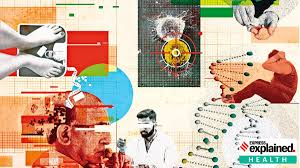
In recent years, doctors and medical researchers have uncovered important new findings that are reshaping how we think about long-term health. Rather than focusing only on treating disease after it appears, modern medicine is increasingly centered on prevention, lifestyle optimization, and early intervention. These discoveries highlight how daily habits, mental well-being, nutrition, sleep, and personalized care can significantly improve health outcomes over a lifetime.
This article explores the latest doctor-backed insights that are helping people live longer, healthier, and more active lives—and how you can apply these findings today.
A Shift From Reactive to Preventive Healthcare
One of the most significant changes doctors emphasize today is the move from reactive healthcare to preventive care. Instead of waiting for symptoms to develop, physicians now encourage regular screenings, early risk assessments, and proactive lifestyle adjustments.
Recent medical findings show that many chronic conditions—such as heart disease, type 2 diabetes, and certain cancers—develop silently over years. Early detection combined with preventive strategies can reduce disease severity, lower healthcare costs, and dramatically improve quality of life.
Doctors now recommend:
- Routine health screenings based on age and risk factors
- Monitoring blood pressure, cholesterol, and blood sugar earlier than before
- Addressing minor symptoms before they become chronic conditions
Preventive medicine is proving to be one of the most powerful tools for long-term health.
The Growing Importance of Gut Health
Doctors have revealed that gut health plays a far more significant role in long-term wellness than previously believed. The gut microbiome—trillions of bacteria living in the digestive system—affects immunity, metabolism, mental health, and inflammation.
New findings suggest that an unhealthy gut may contribute to:
- Autoimmune disorders
- Obesity and metabolic disease
- Depression and anxiety
- Chronic inflammation
Physicians now recommend improving gut health through:
- Fiber-rich diets with fruits, vegetables, and whole grains
- Fermented foods like yogurt, kefir, and sauerkraut
- Reduced intake of ultra-processed foods and added sugars
Supporting gut health is increasingly viewed as foundational to overall well-being.
Doctors Emphasize Sleep as a Pillar of Long-Term Health
Sleep is no longer considered optional. Medical experts now recognize quality sleep as essential for long-term physical and mental health.
Recent research shows that chronic sleep deprivation increases the risk of:
- Heart disease and high blood pressure
- Obesity and insulin resistance
- Cognitive decline and memory loss
- Weakened immune function
Doctors recommend 7–9 hours of consistent, high-quality sleep per night. Simple changes such as maintaining a regular sleep schedule, limiting screen time before bed, and creating a dark, quiet sleep environment can significantly improve long-term health outcomes.
Sleep, according to many physicians, is as important as diet and exercise.
New Insights on Inflammation and Chronic Disease
Chronic inflammation has emerged as a key driver of long-term illness. Doctors now link persistent low-grade inflammation to conditions such as arthritis, cardiovascular disease, Alzheimer’s disease, and cancer.
Medical findings show that lifestyle choices play a major role in controlling inflammation. Doctors recommend:
- Anti-inflammatory diets rich in omega-3 fatty acids
- Regular physical activity
- Stress reduction techniques
- Avoiding smoking and excessive alcohol
By lowering inflammation naturally, individuals can reduce disease risk and support healthier aging.
Mental Health Is Essential for Physical Health
Doctors are increasingly vocal about the connection between mental health and long-term physical well-being. New findings confirm that chronic stress, anxiety, and depression can negatively affect the immune system, heart health, and hormonal balance.
Medical professionals now encourage:
- Mindfulness practices such as meditation and deep breathing
- Regular social interaction and emotional support
- Therapy or counseling when needed
- Setting boundaries to reduce burnout
Taking care of mental health is no longer viewed as separate from physical health—it’s a critical component of long-term wellness.
Personalized Medicine Improves Long-Term Outcomes
Another major breakthrough doctors highlight is the rise of personalized medicine. Advances in genetics, data analysis, and diagnostics allow physicians to tailor treatment and prevention strategies to each individual.
Instead of one-size-fits-all recommendations, doctors can now:
- Identify genetic risk factors early
- Customize nutrition and exercise plans
- Optimize medication effectiveness
- Reduce adverse side effects
Personalized healthcare leads to better adherence, improved outcomes, and more sustainable long-term health strategies.
Doctors Highlight the Power of Consistent Physical Activity
New medical findings reinforce that regular movement is one of the most effective ways to improve long-term health. Doctors emphasize that exercise does not need to be extreme to be beneficial.
Even moderate physical activity can:
- Reduce the risk of heart disease and stroke
- Improve bone density and muscle strength
- Enhance mental clarity and mood
- Support healthy aging
Physicians recommend at least 150 minutes of moderate exercise per week, including walking, strength training, and flexibility exercises. Consistency matters more than intensity.
Nutrition Science Focuses on Sustainability, Not Restriction
Doctors now advise against extreme diets and instead promote sustainable, balanced eating patterns. New findings suggest that long-term health improves when people focus on nutrient density rather than calorie obsession.
Doctor-approved nutrition principles include:
- Prioritizing whole, minimally processed foods
- Including lean protein, healthy fats, and complex carbohydrates
- Listening to hunger and fullness cues
- Avoiding long-term restrictive dieting
Sustainable nutrition supports metabolic health, mental well-being, and longevity.
Social Connection Plays a Role in Longevity
Surprisingly, doctors have also found that social relationships significantly impact long-term health. Studies show that strong social connections are linked to lower mortality rates and better mental health.
Loneliness, on the other hand, has been associated with:
- Increased risk of heart disease
- Depression and cognitive decline
- Weakened immune function
Doctors encourage maintaining meaningful relationships, community involvement, and regular social interaction as part of a healthy lifestyle.
Small Daily Habits Create Long-Term Health Improvements
Perhaps the most encouraging finding doctors share is that small, consistent habits can lead to major health improvements over time. Long-term health is not built overnight—it’s the result of daily choices.
Examples include:
- Taking short walks after meals
- Drinking more water
- Practicing gratitude or mindfulness
- Getting regular health checkups
Doctors emphasize progress over perfection. Sustainable habits are more effective than drastic, short-lived changes.
The Future of Long-Term Health Looks Promising
Doctors agree that the future of healthcare is hopeful. With advances in technology, education, and preventive medicine, people now have more tools than ever to improve long-term health.
By focusing on prevention, mental well-being, personalized care, and healthy daily habits, individuals can significantly reduce disease risk and enjoy a higher quality of life well into older age.
Final Thoughts
Doctors reveal that long-term health is not determined by a single factor, but by a combination of lifestyle choices, preventive care, and mental well-being. The newest medical findings emphasize balance, consistency, and personalization rather than extreme measures.
By applying these doctor-backed insights—prioritizing sleep, nutrition, movement, mental health, and preventive care—you can take meaningful steps toward a healthier, longer life.
Long-term health is a journey, and the best time to start is today.
If you’d like, I can also:
- Optimize this further for specific keywords
- Rewrite it for Google Discover or news-style tone
- Add FAQ schema, meta description, or internal linking suggestions
Just tell me 👍