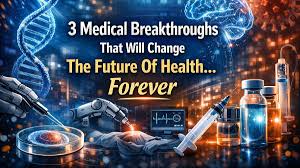







Healthcare is in the midst of an unprecedented transformation. Technological advancements, groundbreaking research, and innovative treatment methods are reshaping the way medical professionals diagnose, treat, and manage diseases. This medical news update highlights some of the most exciting innovations that are driving the future of healthcare.
1. Telemedicine: Revolutionizing Patient Care
One of the most significant healthcare innovations in recent years is telemedicine. Telemedicine allows patients to consult with healthcare providers remotely using smartphones, computers, or other digital devices. The COVID-19 pandemic accelerated the adoption of virtual care, demonstrating its value in improving access, reducing travel time, and lowering healthcare costs.
Benefits of Telemedicine
- Accessibility: Patients in rural or underserved areas can receive specialist consultations without traveling long distances.
- Convenience: Online appointments reduce waiting times and increase patient compliance.
- Cost-Effectiveness: Telemedicine reduces hospitalization rates and unnecessary emergency room visits.
Healthcare providers are now integrating AI-powered chatbots and virtual assistants to further enhance telehealth experiences, offering instant symptom checking and preliminary medical advice.
2. Artificial Intelligence in Diagnostics
Artificial Intelligence (AI) is revolutionizing diagnostics by analyzing complex medical data quickly and accurately. AI algorithms can detect patterns in imaging scans, lab results, and patient records that may be missed by human eyes.
Key AI Applications in Healthcare
- Radiology: AI can detect early signs of cancer, fractures, and neurological disorders from X-rays, CT scans, and MRIs.
- Pathology: Machine learning models analyze biopsy samples to identify abnormal cells with high accuracy.
- Predictive Analytics: AI predicts patient deterioration in hospitals, enabling timely interventions.
AI in diagnostics is not just a futuristic concept—it’s actively reducing errors, speeding up treatment, and improving patient outcomes globally.
3. Wearable Health Technology
Wearable devices like smartwatches and fitness trackers have evolved from simple step counters to sophisticated health monitors. Modern wearables can track heart rate, oxygen levels, sleep patterns, and even detect arrhythmias.
Wearables Driving Healthcare Innovation
- Continuous Monitoring: Devices monitor chronic conditions like diabetes and heart disease in real time.
- Early Detection: Wearables can alert patients to potential health issues before they become critical.
- Personalized Insights: Data collected by wearables helps doctors tailor treatment plans to individual needs.
The integration of wearables with mobile apps and cloud platforms ensures seamless sharing of health data with medical professionals, paving the way for preventive and proactive healthcare.
4. Personalized Medicine: Tailored Treatments for Individuals
Healthcare is moving away from a “one-size-fits-all” approach. Personalized medicine, also known as precision medicine, involves customizing treatment plans based on a patient’s genetic makeup, lifestyle, and environmental factors.
Advances in Personalized Medicine
- Genomic Testing: DNA sequencing allows doctors to understand genetic predispositions to diseases and design targeted therapies.
- Targeted Cancer Therapies: Certain cancers can now be treated with drugs that specifically target genetic mutations in tumors.
- Pharmacogenomics: Genetic testing predicts how patients will respond to medications, reducing side effects and improving efficacy.
Personalized medicine represents a paradigm shift in healthcare, emphasizing prevention, early detection, and individualized treatment over generalized care.
5. Robotics and Automation in Surgery
Robotic-assisted surgery is another area transforming modern healthcare. Surgical robots enhance precision, reduce recovery time, and minimize complications.
Benefits of Robotic Surgery
- Minimally Invasive Procedures: Smaller incisions lead to less pain, faster healing, and shorter hospital stays.
- Enhanced Precision: Robotic arms perform delicate procedures that may be challenging for human hands.
- Reduced Surgeon Fatigue: Surgeons can operate more comfortably and efficiently using robotic systems.
From orthopedics to neurosurgery, robotics is expanding surgical possibilities and improving patient outcomes.
6. Breakthroughs in Biotechnology
Biotechnology innovations are opening new frontiers in drug development, regenerative medicine, and disease treatment.
Notable Biotech Advancements
- mRNA Vaccines: The success of mRNA vaccines against COVID-19 has paved the way for vaccines targeting other infectious diseases and even cancer.
- Regenerative Medicine: Stem cell therapies are being developed to repair damaged tissues, including heart, spinal cord, and cartilage.
- CRISPR Gene Editing: Gene editing technology allows scientists to correct genetic mutations that cause hereditary diseases.
These breakthroughs are not only extending life expectancy but also improving the quality of life for patients with chronic or previously untreatable conditions.
7. Digital Health Records and Data Analytics
Electronic Health Records (EHRs) have revolutionized how patient information is stored, shared, and analyzed. When combined with big data analytics, EHRs enable healthcare providers to make more informed decisions.
Advantages of Digital Health Records
- Centralized Information: Clinicians can access patient history instantly, improving diagnosis and care continuity.
- Predictive Insights: Data analytics can identify disease trends, helping hospitals anticipate patient needs.
- Population Health Management: Healthcare systems can monitor and improve community health outcomes using aggregated data.
The integration of AI, cloud computing, and EHRs ensures that healthcare providers deliver faster, safer, and more efficient care.
8. Virtual Reality (VR) and Augmented Reality (AR) in Medicine
VR and AR technologies are finding innovative applications in medical training, patient rehabilitation, and surgical planning.
Applications of VR and AR
- Medical Education: VR simulations provide students with realistic surgical and diagnostic experiences without risk to patients.
- Pain Management: VR therapy is being used to reduce pain and anxiety in patients during procedures.
- Surgical Assistance: AR overlays can guide surgeons in real-time, improving precision and reducing errors.
These immersive technologies are bridging the gap between traditional healthcare practices and futuristic solutions.
9. Blockchain Technology for Secure Healthcare
Data security and privacy are critical in healthcare. Blockchain technology is emerging as a solution to protect patient records, ensure transparency, and prevent fraud.
How Blockchain Enhances Healthcare
- Secure Data Storage: Patient records are encrypted and decentralized, making them nearly tamper-proof.
- Interoperability: Blockchain allows seamless sharing of verified medical records across providers and institutions.
- Drug Traceability: Blockchain tracks the supply chain of pharmaceuticals, preventing counterfeit medications.
As cyber threats grow, blockchain promises to make healthcare data management safer and more efficient.
10. Future Outlook: The Convergence of Innovation
The healthcare industry is evolving into a high-tech, patient-centered ecosystem. Emerging innovations are no longer isolated—they are converging to create smarter, more integrated healthcare solutions.
Key Trends Shaping the Future
- AI and Robotics Integration: Intelligent robotic systems will assist doctors in diagnosis, surgery, and treatment planning.
- Remote Patient Monitoring: Wearables and IoT devices will enable continuous monitoring, reducing hospital visits.
- Preventive and Predictive Healthcare: Advanced analytics and personalized medicine will shift the focus from treatment to prevention.
These trends indicate a future where healthcare is more accessible, efficient, and tailored to individual needs, ultimately improving global health outcomes.
Conclusion
The healthcare landscape is undergoing a profound transformation fueled by technology, innovation, and scientific breakthroughs. From AI-powered diagnostics and robotic surgery to personalized medicine and blockchain security, these advancements are not only saving lives but also redefining the patient experience.
Staying updated with the latest medical news and innovations is essential for healthcare professionals, patients, and policymakers alike. As these technologies continue to evolve, the possibilities for improving healthcare quality, accessibility, and outcomes are limitless.
The era of smart, personalized, and tech-driven healthcare has arrived, promising a healthier future for all.
SEO Keywords Integrated:
- Medical news update
- Healthcare innovations
- Telemedicine benefits
- AI in healthcare
- Personalized medicine
- Robotic surgery
- Wearable health devices
- Biotechnology breakthroughs
- Digital health records
- VR and AR in medicine
If you want, I can also optimize it further for SEO by adding meta title, meta description, headings with H2/H3 tags, and internal/external linking suggestions to make it fully ready for publishing.
Do you want me to do that?