








For years, people have relied on intuition, lived experience, and common sense when it comes to health. We’ve felt that sleep matters more than we admit, that stress quietly damages the body, and that everyday habits shape long-term wellbeing far more than quick fixes. Now, a growing body of new research is confirming what many of us already suspected: our health is deeply influenced by daily behaviors, environment, and mental wellbeing—not just genetics or medical interventions.
Recent studies from fields including neuroscience, nutrition, epidemiology, and behavioral medicine are painting a clearer picture of how the human body truly functions. The message is both sobering and empowering. Sobering, because unhealthy patterns add up faster than we think. Empowering, because small, consistent changes can dramatically improve quality of life.
This article explores what new research is revealing about our health, why it matters, and how these insights can help us live longer, healthier, and more balanced lives.
The Shift From Reactive to Preventive Health
One of the most important conclusions emerging from modern health research is that preventive care is more effective than reactive treatment. For decades, healthcare systems have focused on managing disease after it appears. New research is confirming that this approach is costly, stressful, and often avoidable.
Scientists now emphasize that conditions such as heart disease, type 2 diabetes, obesity, and even some cognitive disorders are strongly linked to long-term lifestyle patterns. Diet, physical activity, sleep quality, and stress management consistently show up as major predictors of health outcomes.
This doesn’t mean genetics are irrelevant—but it does mean they are not destiny. Research increasingly shows that lifestyle choices can either activate or suppress genetic risk factors, a concept known as epigenetics. In simple terms, how we live influences how our genes behave.
The Mind-Body Connection Is Stronger Than We Thought
For years, mental health and physical health were treated as separate domains. New research confirms that this separation was artificial. The mind and body are deeply interconnected, and ignoring one inevitably affects the other.
Chronic stress, anxiety, and depression have now been linked to inflammation, weakened immune function, hormonal imbalances, and increased risk of chronic illness. Elevated stress hormones like cortisol, when sustained over long periods, can disrupt sleep, digestion, and cardiovascular health.
On the positive side, studies also show that improving mental health can lead to measurable physical benefits. Practices such as mindfulness, meditation, therapy, and social connection are associated with lower blood pressure, improved immune response, and reduced risk of chronic disease.
In other words, taking care of your mental health is not optional—it is a foundational pillar of overall wellness.
Sleep: No Longer a Luxury, but a Necessity
If there is one area where new research strongly confirms existing suspicions, it is sleep. Sleep is not passive downtime; it is active biological maintenance.
Recent studies show that insufficient or poor-quality sleep affects nearly every system in the body. It impairs memory, slows metabolism, increases hunger hormones, and weakens immune defenses. Long-term sleep deprivation has been linked to heart disease, obesity, diabetes, and cognitive decline.
Researchers have also discovered that the brain performs essential “cleanup” functions during deep sleep, removing waste products that accumulate during waking hours. This process may play a role in reducing the risk of neurodegenerative diseases.
The takeaway is clear: prioritizing sleep is not lazy or indulgent—it is one of the most powerful health decisions a person can make.
Nutrition: It’s About Patterns, Not Perfection
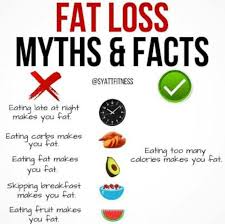
New research is also confirming what nutrition experts have suspected for years: overall dietary patterns matter more than individual superfoods or short-term diets.
Highly processed foods, excessive added sugars, and refined carbohydrates are consistently associated with inflammation, metabolic disorders, and gut health disruption. On the other hand, diets rich in whole foods—vegetables, fruits, lean proteins, healthy fats, and whole grains—are linked to lower disease risk and better energy levels.
Importantly, researchers are moving away from one-size-fits-all nutrition advice. Emerging evidence suggests that individual responses to foods vary based on genetics, gut microbiome, and lifestyle factors. This explains why the same diet may work well for one person and poorly for another.
What remains consistent, however, is that sustainable, balanced eating habits outperform extreme or restrictive diets in the long run.
The Gut Microbiome: A Hidden Health Influencer
One of the most exciting areas of modern health research involves the gut microbiome—the trillions of bacteria living in the digestive tract. Scientists now believe these microbes influence far more than digestion.
New findings suggest that gut health plays a role in immune function, mood regulation, weight management, and even brain health. An imbalanced microbiome has been linked to inflammation, autoimmune conditions, and mental health challenges.
Research confirms that diet, stress levels, sleep, and antibiotic use all affect gut bacteria composition. Fiber-rich foods, fermented foods, and diverse plant intake are consistently associated with healthier microbial balance.
This growing body of evidence reinforces a simple idea: what we eat doesn’t just feed us—it feeds the systems that keep us healthy.
Movement Matters More Than Intensity
Another reassuring finding from recent research is that regular movement matters more than intense exercise. While high-intensity workouts have benefits, they are not the only path to good health.
Studies show that prolonged sitting is associated with increased health risks—even in people who exercise regularly. Conversely, frequent low-intensity movement such as walking, stretching, or light activity throughout the day can significantly improve metabolic health.
This research supports the idea that human bodies are designed to move often, not just occasionally. Consistency, not extremes, appears to be the key factor.
For many people, this makes health more accessible. You don’t need to train like an athlete to see benefits—just move more, more often.
Social Connection Is a Health Requirement
Perhaps one of the most striking confirmations from new research is the importance of social connection. Loneliness is now considered a serious public health risk, comparable to smoking or obesity in its impact on mortality.
Humans are social beings, and meaningful relationships contribute to emotional resilience, stress reduction, and even improved immune function. Research shows that people with strong social ties tend to live longer and recover more quickly from illness.
This has important implications in a digital age where connection is often virtual and fragmented. While technology can support communication, it cannot fully replace the physiological and psychological benefits of real human interaction.
What This Means for the Future of Health
Taken together, this growing body of research confirms a powerful truth: health is built daily, not delivered occasionally. Medical care remains essential, but it cannot compensate for chronic neglect of sleep, nutrition, movement, mental health, and connection.
The future of health is likely to be more personalized, preventive, and holistic. Instead of asking only “What disease do I have?”, the focus is shifting toward “What conditions am I creating for my body every day?”
This shift puts more responsibility on individuals, but it also offers more control. Small, intentional changes—made consistently—can reshape health trajectories in meaningful ways.
Conclusion
New research confirms what many of us have long suspected about our health: the basics matter more than we were taught to believe. Sleep, stress, diet, movement, mental wellbeing, and relationships are not secondary considerations—they are central drivers of long-term health.
The encouraging news is that these factors are largely within our influence. While no one can control everything, everyone can make small choices that compound over time.
Health is not about perfection. It is about awareness, consistency, and compassion for the body and mind we live in every day. And science is finally catching up to what intuition has been telling us all along.
If you want, I can:
- Optimize this for a specific keyword or niche (fitness, mental health, longevity, lifestyle)
- Add FAQ schema, meta description, and SEO title
- Rewrite it for blog, Medium, or news-style publication
- Localize it for a specific country or audience
Just tell me 👍